Local business promotion
Winter-Ready in a Weekend: DIY Checks and an Ice-Day Kit for Mountain Driving
Regional
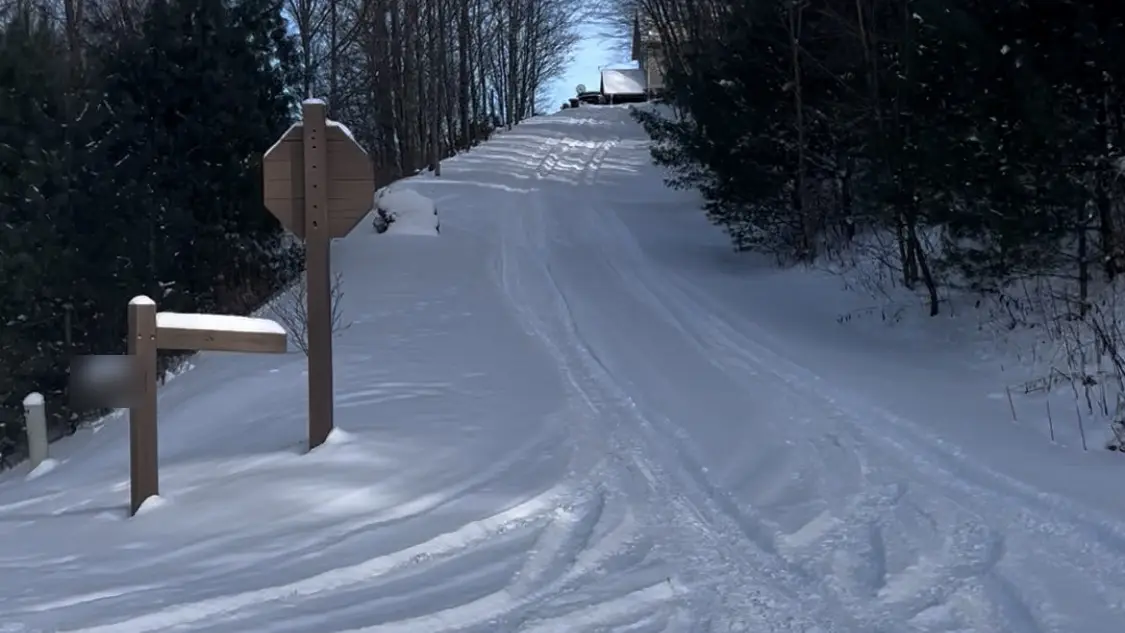
Shaded switchbacks, black ice and a long walk to the nearest help. A few hours in the driveway now beats a cold morning on the shoulder later.
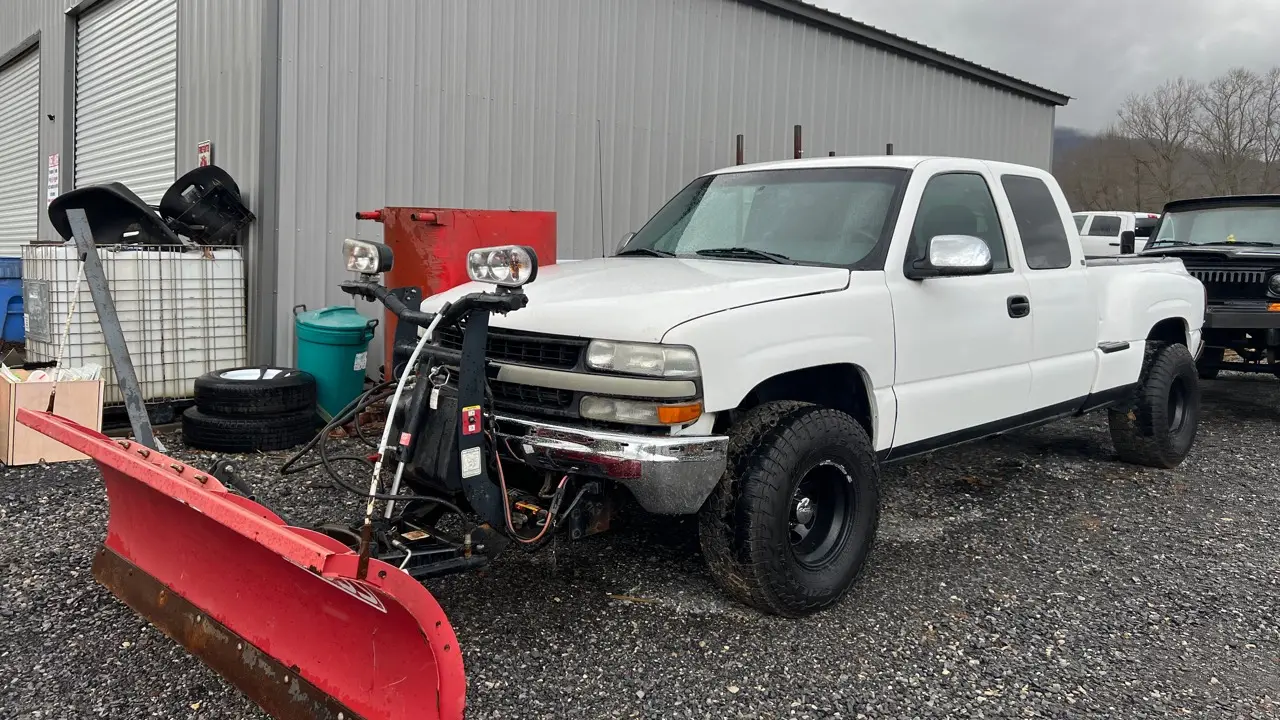
Winter driving in the mountains isn't like winter driving in the flatlands. A road that's dry in town can be glazed on the north-facing curve two miles up the hill. Cell service drops out in the hollows. And when a car won't start on a 15-degree morning at 3,000 feet, the nearest help may be a long way off.
The good news: most winter breakdowns start with problems you can catch yourself. Set aside a Saturday, work through this list, and you'll know which jobs you can handle and which ones need a shop.
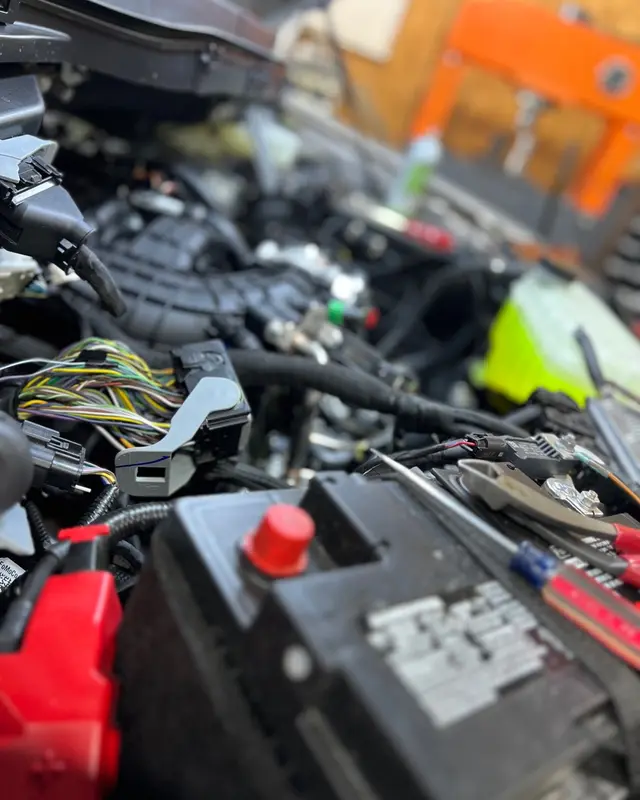
1. Battery: the No. 1 winter failure
Cold weather is the leading cause of battery trouble. AAA says that at 0°F, a car battery loses about 60% of its strength, right when the engine needs the most power to turn over.
- Check the age. Most batteries have a date sticker. If yours is more than about three years old, get it tested before winter.
- Look at the terminals. White or green crust slows the current. Clean it off with a wire brush and a baking-soda-and-water paste, then rinse. Disconnect the negative cable first and reconnect it last.
- Notice the warning signs: slow cranking, dim headlights at startup, or a dash light that flickers. Those usually show up a week or two before a no-start.
- Get a load test. Many parts stores and repair shops can do one quickly. It's the only real way to know how much life is left.
2. Tires: traction is everything on a grade
- Check the tread. AAA recommends at least 4/32 of an inch of tread for winter driving. Quick test: put a quarter in the tread upside down. If you can see the top of George Washington's head, you're below 4/32.
- Check the pressure monthly. Cold air lowers tire pressure, and underinflated tires handle worse. Use the number on the driver's door jamb, not the one on the tire sidewall.
- Don't forget the spare. Check its pressure too, and make sure the jack and lug wrench are actually in the car.
- Consider winter tires if you live up a steep road or commute over a gap. All-season tires get hard in real cold; winter tires stay grippy.
Tire sales, mounting and balancing are a tire-shop job, so plan ahead before the first-storm rush.
3. Fluids: the stuff you don't think about until it freezes
- Coolant. Check the level in the overflow tank with the engine cold. A cheap coolant tester from the parts store tells you how cold your mix protects to. If you're not sure, have a shop check it.
- Washer fluid. Swap summer fluid for a winter formula rated well below freezing. Road salt and grime will empty the reservoir fast, so keep a spare jug in the trunk.
- Oil. If an oil change is due in the next month or two, do it before winter. Check your owner's manual for the right weight for cold weather.
4. Seeing and being seen
- Wiper blades wear out faster than most people think. AAA says they typically last about six months. If they streak, chatter or leave a haze, replace them.
- Check every light: headlights, brake lights, turn signals and hazards. Short days mean more driving in the dark.
- Clean the inside of the windshield. A film on the glass fogs up fast and glares badly in low winter sun.
5. Pack the ice-day kit
Assemble this once and leave it in the trunk all winter. It's built from the lists North Carolina Emergency Management and AAA recommend:
- Ice scraper and snow brush
- Jumper cables (or a charged jump pack)
- Small shovel
- Sand, grit or cat litter for traction
- Blankets, plus a hat, gloves and dry socks
- Flashlight with extra batteries
- First-aid kit
- Water and non-perishable snacks
- Phone charging cable or battery bank
- A paper road map, because cell service doesn't reach every hollow
- Tow strap or chain
6. Driving on ice-day mornings
The N.C. State Highway Patrol's advice is simple: slow down, leave extra space and clear all the snow and ice off your vehicle before you go. In the mountains, add a few local rules:
- Watch the shade. North-facing curves, tree tunnels and the low side of a hill can stay icy long after the sun has cleared everything else.
- Bridges and overpasses freeze first. Treat every one as icy on a cold morning.
- Four-wheel drive helps you go, not stop. It doesn't shorten your braking distance on ice.
- On a downgrade, gear down and brake gently and early instead of riding the brakes.
- Keep the tank at least half full in winter, in case you're stuck or detoured.
- When in doubt, wait. On most mountain mornings, the roads look very different by 11 a.m.
When to call a shop
Some things are worth a professional look before winter: a battery that fails a load test, a check-engine or ABS light, brakes that squeal, grind or pull, a heater that blows cold, coolant leaks, and exhaust leaks, which can be dangerous with the windows rolled up. And if your North Carolina inspection comes due over the winter, get it done before the weather turns.
Sources
AAA, Winter Car Care Tips Every Driver Should Know; N.C. Department of Public Safety, Governor and State Leaders Remind Residents to Be Ready for Winter Weather (N.C. Emergency Management kit list and State Highway Patrol driving tips). Business details from mcelroyautorepair.com.