Local business promotion
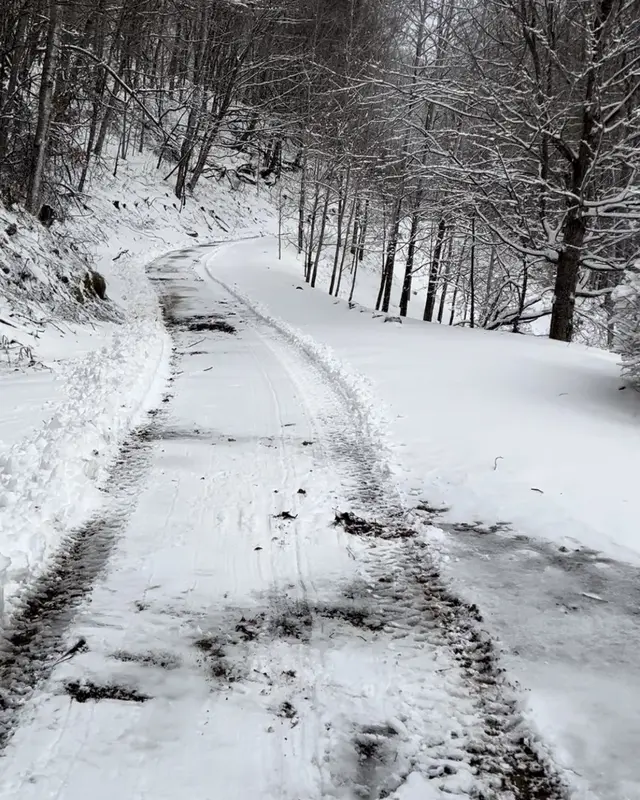
Snow and Ice on a Steep Driveway: Plan Before the First Storm
Regional
The worst time to figure out who's clearing your road is the morning you're stuck at the top of it. Homeowners and HOAs both need a plan now.
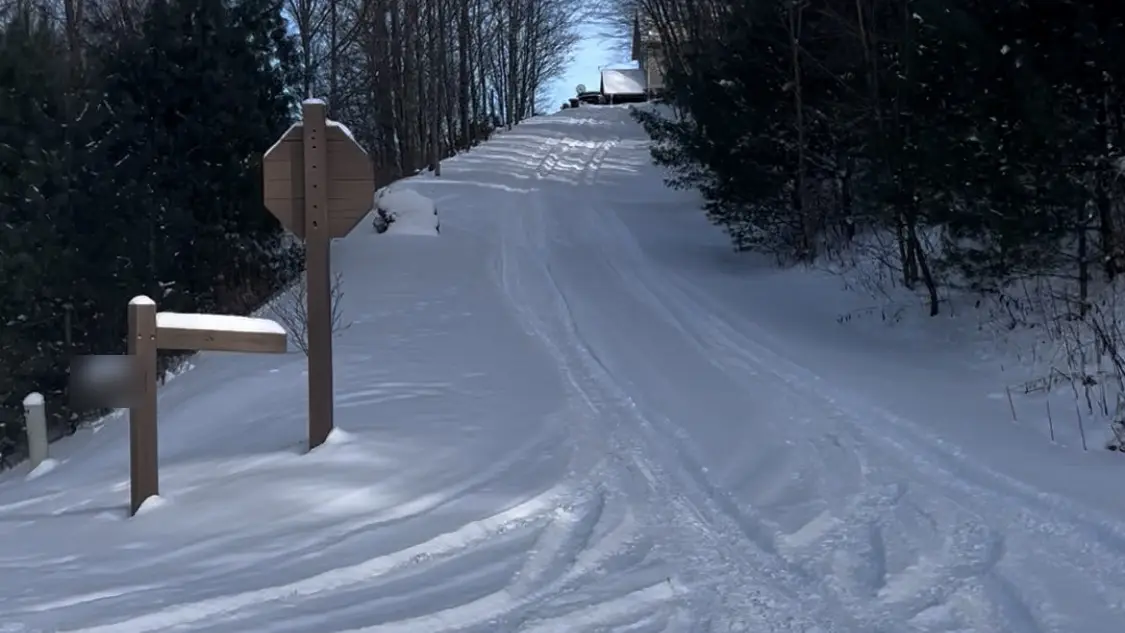
Every mountain winter has the same scene. The snow stops, the sun comes out, the main roads are wet and clear by lunch — and half the people in the county still can't get off their own hill. The state plow came by, but it never turned up your road. The neighbor with the tractor is stuck behind a downed limb. And nobody is quite sure whose job it was.
On steep mountain property, snow and ice aren't just an inconvenience. They decide whether you can get to work, whether the propane truck can make a delivery, and whether an ambulance can reach your door. The households and communities that come through winter best all have one thing in common: they settled the plan before the first flake fell.
First, find out who owns your road
This surprises a lot of newcomers. The North Carolina Department of Transportation (NCDOT) maintains roads on the state system. Private roads — including many mountain subdivision roads — are the responsibility of the property owners, usually through a homeowners association (HOA) or a road-maintenance agreement. Counties in North Carolina don't maintain roads.
If you don't know which kind you live on, find out now:
- Check your deed, plat or HOA documents for a road-maintenance agreement.
- Look for a state road number (SR) on the road sign.
- Call the NCDOT county maintenance office and ask.
If your road is private, nobody is coming to plow it unless someone has arranged it and is paying for it.
For homeowners: your driveway, your plan
Even on a state road, the driveway is yours. Before the first storm:
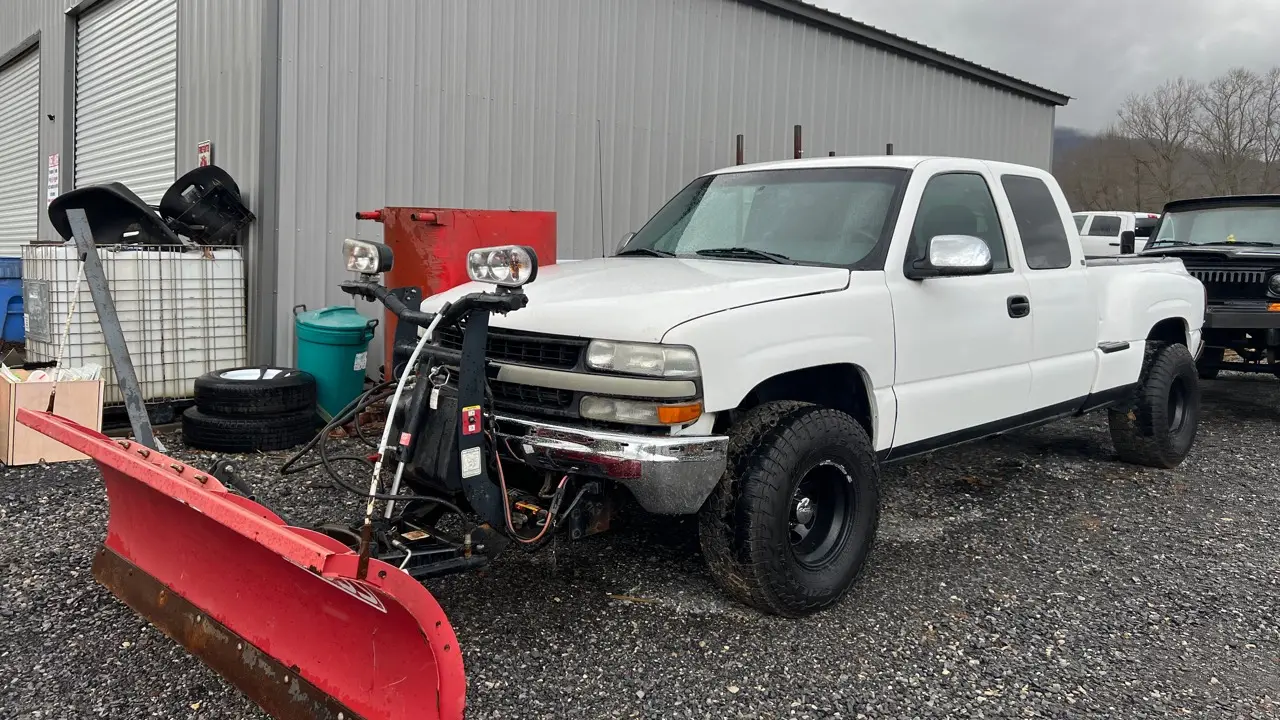
- Line up help now. Contract with a snow removal provider in the fall, not during the storm, when everyone's calendar is full. Ask how much snow triggers a visit, how fast they'll come, and whether they also treat ice.
- Mark the edges. Put reflective driveway stakes along both sides, at culverts, at drop-offs and at anything a plow could hit. Do it before the ground freezes, or you won't get them in.
- Stock grit, not just salt. On a steep grade, sand or grit gives traction even when it's too cold for salt to work. Keep a few bags or a covered bin at the top and the bottom of the drive.
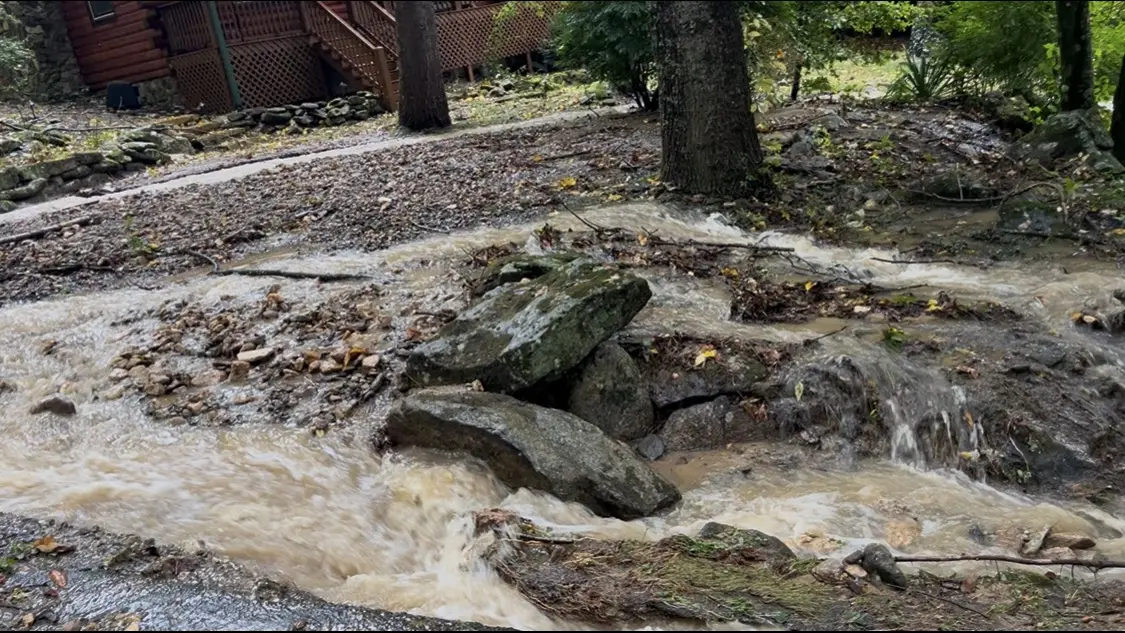
- Plan where the snow goes. Pile it on the downhill side, away from culvert inlets, drains and the spot where meltwater would run back across the drive and refreeze overnight. Never push it into the road or onto a neighbor's property.
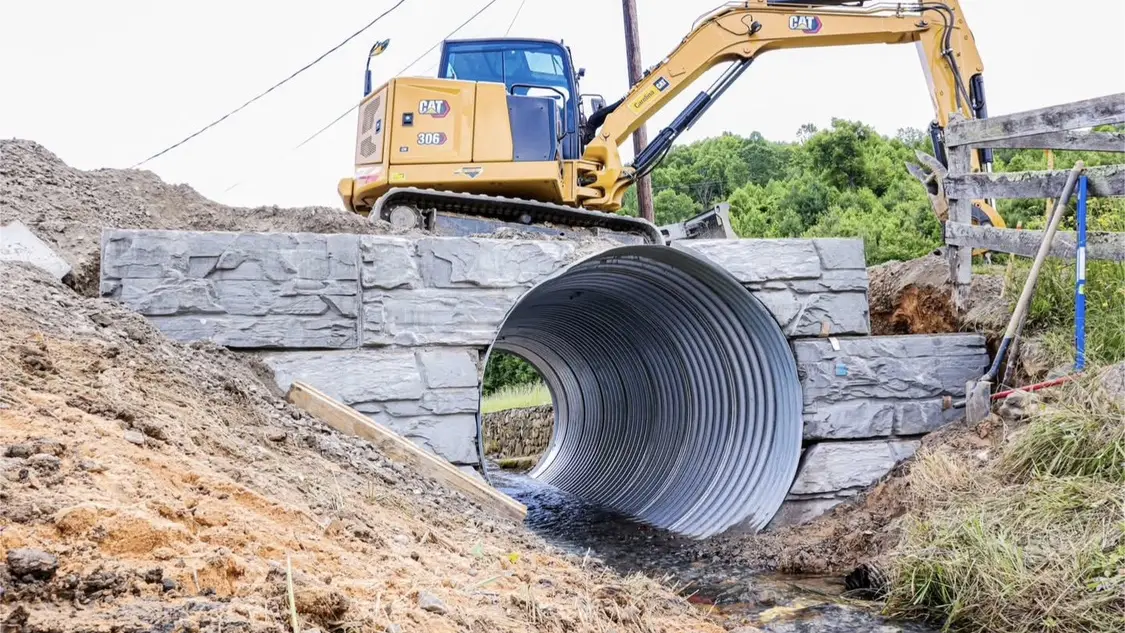
- Keep the culverts open. A culvert buried under a plow pile turns the next thaw into a sheet of ice across your driveway.
- Have a backup plan. Know where you can park at the bottom of the hill if the drive isn't passable, and keep boots and a flashlight in the car.
- If the power goes out, run generators outside only, at least 20 feet from doors, windows and vents, and never in a garage, even with the door open. Carbon monoxide kills people every winter.
For HOAs: a written snow plan, adopted before winter
If your community maintains its own roads, snow and ice are a board responsibility, and "we'll figure it out" isn't a plan. Every HOA with private roads should adopt a written snow and ice plan each fall and send it to every owner:
- Who clears the roads, under a signed contract, with proof of insurance on file.
- What triggers service: how many inches, and whether ice alone triggers treatment.
- Priority order. The main entrance and the steepest grades first, then emergency access routes, then side roads and cul-de-sacs.
- Where snow gets piled, with culverts, drains, fire hydrants and mailbox clusters marked so the plow doesn't bury them.
- Grit staging: where the sand or grit is stored and who spreads it on the steep sections between plowings.
- Emergency access. Fire trucks and ambulances need a clear lane. Make sure the plan keeps one open, and share the plan with your local fire department.
- Communication. How residents will hear when the roads are being cleared, and who to call if a section is missed.
- Budget. A snow line in the annual budget and a reserve for a heavy winter, so the board isn't scrambling for money mid-storm.
- Owners' duties. What the HOA covers (the roads) and what owners cover (their driveways), spelled out so nobody is surprised.
A good plan also helps the board answer the inevitable complaint after a storm: the plan was published in October, here's what it said, here's when the contractor came.
Homeowners and HOAs: same playbook
The best practices are the same whether you're one cabin on a gravel lane or a 200-lot community: know who's responsible, have it in writing, mark the hazards, stage the grit, keep the water paths open and plan for emergency access. If every homeowner and every HOA in the mountains adopted those six habits, winter would look a lot different on the morning after the storm.
A pre-storm checklist
- Confirm whether your road is state-maintained, HOA-maintained or private
- Sign a snow removal contract (or confirm the HOA's) before November
- Install reflective stakes along the drive, culverts and drop-offs
- Stock grit or sand at the top and bottom of the drive
- Decide where snow piles go, away from drains and culverts
- Clear culvert inlets now and after each storm
- Plan a backup parking spot at the bottom of the hill
- Set up the generator safely: outside and 20+ feet from openings
Sources
Henderson County, N.C., Road Maintenance (state vs. private road responsibility in North Carolina); Centers for Disease Control and Prevention, Avoiding Carbon Monoxide Poisoning. Business details from gamezproperty.com.