Local business promotion
Mountain Driveways vs. Winter: Protect Concrete, Asphalt and Gravel Before the First Hard Freeze
Regional
Freeze, thaw, repeat. Whatever your driveway is made of, a few fall chores now — and the right shovel, salt and plow habits later — can add years to it.
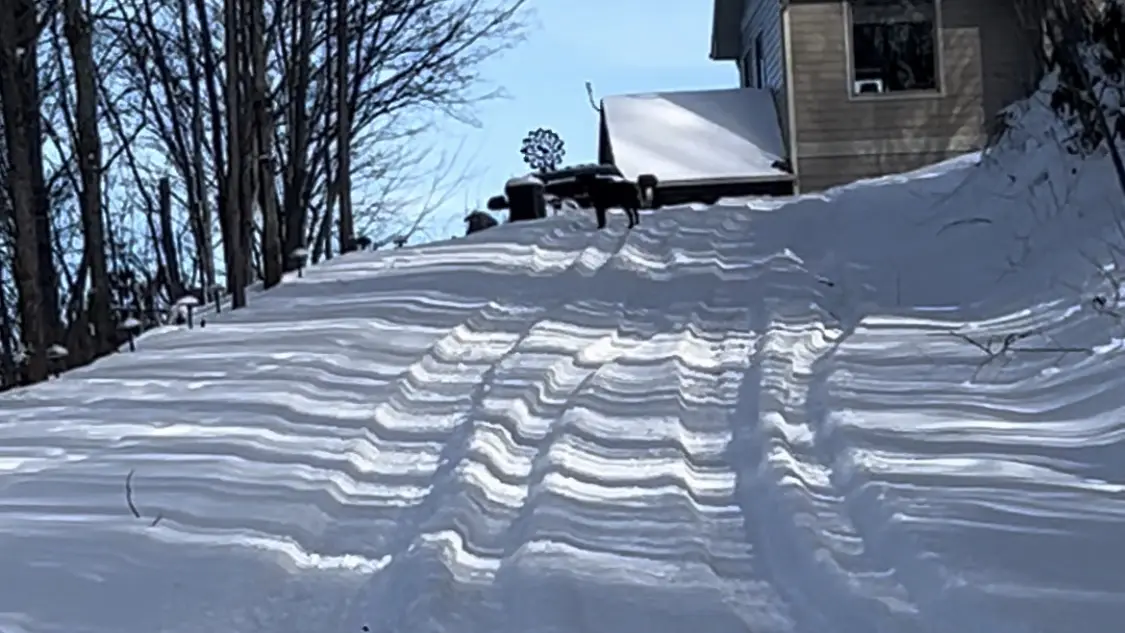
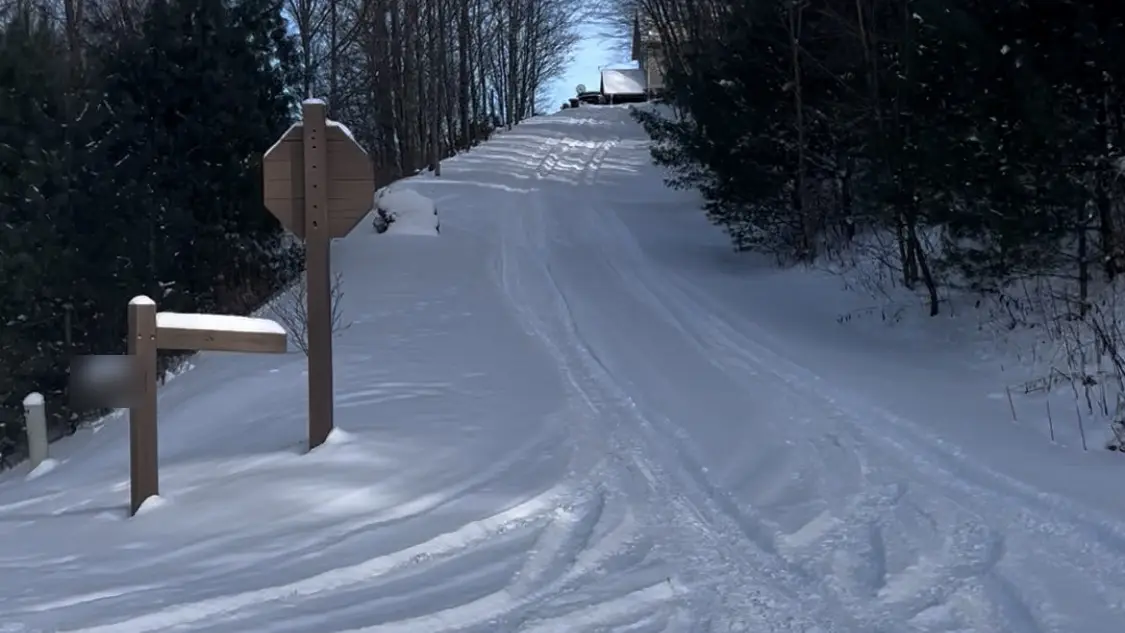
If you moved here from somewhere flat and warm, the first mountain winter can be rough on more than your heating bill. Driveways take a beating in Western North Carolina, and most of the damage doesn't come from one big snow. It comes from the in-between days: a cold night, a sunny afternoon, another cold night.
That cycle is the enemy no matter what your drive is made of. Water gets into the surface, freezes and expands, thaws, works in a little deeper and freezes again. On a steep, shaded mountain driveway, that happens over and over all winter long.
The good news: most of the damage is preventable, and fall is the time to get ahead of it. Here's what to do for each kind of drive — plus the one chore every driveway shares.
First, for every driveway: get the water off and away
On a mountain lot, drainage is half the battle.
- Make sure downspouts empty away from the driveway, not onto it or under it. A cheap extension can save a lot of repair money.
- Clear leaves out of channel drains, culverts and ditch lines along the drive. A clogged culvert sends water across your driveway instead of under it — something a lot of us learned the hard way after Helene.
- Look for spots where water still sits a day after rain. Standing water is a freeze-thaw factory.
Concrete driveways
Concrete's main winter problem is scaling: the smooth top layer flakes off in patches while the stones underneath still look solid. Freeze-thaw cycles cause it, and the wrong ice melt makes it much worse.
Fall prep
- Walk the slab on a dry afternoon. Look for hairline cracks, flaking or pitting (especially where cars park or snow gets piled), and edges or joints that are sinking or lifting.
- Fill small cracks with a flexible concrete crack sealant so water can't get in and freeze.
- Consider a penetrating sealer. Industry guidance suggests resealing every two years or so, or when the finish starts to show wear. Most sealers need dry weather and mild temperatures to cure, so check the label and don't wait until December.
Treating ice
- Never use ammonium nitrate or ammonium sulfate on concrete. They chemically attack it.
- Rock salt and calcium chloride are less harsh on the concrete itself, but they can still worsen freeze-thaw damage, kill grass along the edges and corrode metal.
- Poured this year? Skip deicers entirely. New concrete is most vulnerable in its first winter. Use sand for traction.
Shoveling and plowing
- Use a plastic-edged shovel. Metal blades scrape and gouge the surface and open it up to water.
- If someone plows for you, ask for a rubber or poly cutting edge, or have them set the blade just a hair high.
Asphalt driveways
Asphalt is flexible, which helps it ride out freeze-thaw better than concrete. But cracks, soft edges and potholes are its weak spots, and winter finds every one of them.
Fall prep
- Fill cracks now with an asphalt crack filler made for driveways. Water that gets into a crack freezes, widens it and can turn it into a pothole by spring.
- Patch small potholes with a cold-patch asphalt product before snow season.
- Sealcoating helps keep water out, but it needs warm, dry weather to cure. In the mountains that window closes fast in the fall. If you missed it, fill the cracks now and plan the sealcoat for late spring.
Treating ice
- Rock salt is generally fine on asphalt itself, but it rides into cracks with meltwater and can speed freeze-thaw damage there. Use it sparingly and shovel off the slush.
- On steep grades, sand or grit gives traction even when it's too cold for salt to work.
Shoveling and plowing
- The edges are the most fragile part of an asphalt drive. Don't plow or drive right on the unsupported edge, where it crumbles.
- A plastic shovel or a plow with a poly edge is easier on the surface, especially on newer asphalt, which stays softer for a while after it's laid.
- Keep plow piles off the driveway's low side, so meltwater doesn't run back across it and refreeze overnight.
Gravel driveways
Gravel is the classic mountain driveway, and it fails differently. It doesn't crack, but it ruts, washes out and ends up in your yard after every plowing.
Fall prep
- Fill ruts and low spots with fresh stone before the ground freezes. Ruts hold water, and that water turns to ice.
- Make sure the drive has a crown (higher in the middle) so water sheds to the sides, and that the side ditches are open.
- Top-dress worn areas. A compacting base stone binds and stays put better on a slope than loose round stone. Ask a local rock yard which product fits your grade.
Treating ice
- Skip the salt. On gravel it mostly washes away and turns the drive to mush during thaws.
- Grit or coarse sand works better and simply becomes part of the surface.
Shoveling and plowing
- Set the plow blade or snowblower skid shoes about an inch above the gravel. Scrape too low and you'll push your driveway into the yard.
- Leave a thin, packed layer of snow on the surface. It protects the stone and gives decent traction.
- If you can, wait to plow until the ground has frozen. Soft gravel moves more easily.
- In spring, rake the stone back out of the grass and fill the ruts before they hold water again.
When to call a pro
Some things are beyond a weekend fix:
- Concrete: cracks wider than about a quarter inch, cracks where one side is higher than the other, slabs that have sunk or lifted, large areas of scaling
- Asphalt: spiderweb ("alligator") cracking across a wide area, potholes that keep coming back, edges breaking away
- Gravel: washouts, ruts that refill with water after every rain, or a drive that has lost its base and turns to mud
- Any drive: water running under it after a storm
Those usually point to a base or drainage problem, and surface fixes won't hold. Fall, before the ground freezes, is the time to get a local contractor or rock supplier out to take a look.
Sources
Pennsylvania Aggregates and Concrete Association, Scaling of Concrete Surfaces; ConcreteNetwork.com, How to Maintain a Concrete Driveway; Reviewed, Driveway Repairs to Make Before Winter Hits. Business details from conardsconcrete.com and caldwelltruckingandexcavating.com.