
Local business promotion
Elk Country: How to See Cataloochee's Herd Safely — and Where to Eat and Stay Nearby
Haywood County
Twenty-five years after the first elk came back to the Smokies, the herd is one of the best wildlife shows in the East. Here's how to watch it without becoming the next viral video.
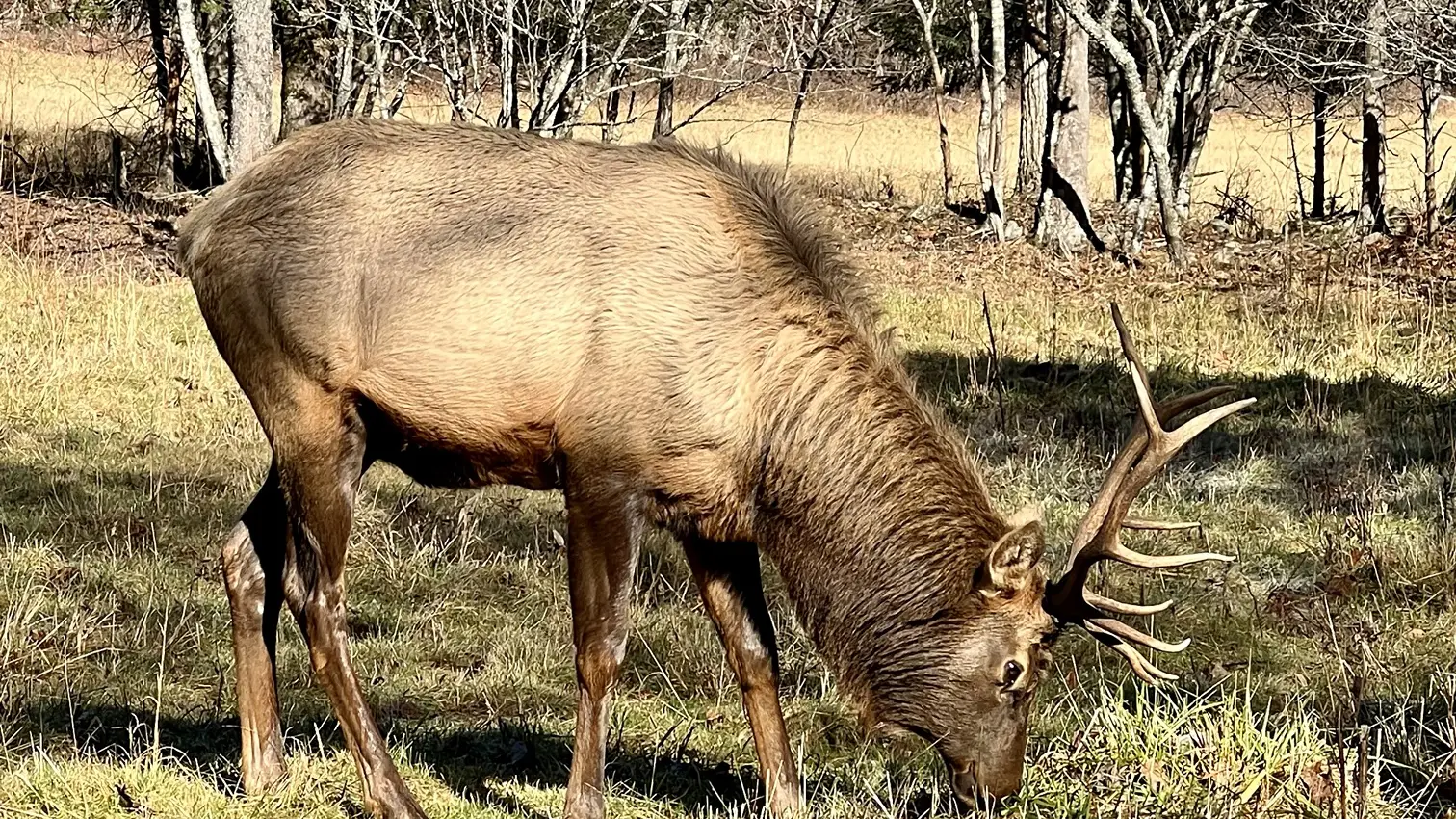
There's a moment on an October evening in Cataloochee Valley when the light goes gold across the fields, the woods go quiet, and somewhere up the slope a bull elk bugles: a high, rising whistle that ends in a grunt and carries more than a mile. If you've never heard it, it's worth the drive.
It wasn't always possible. Elk disappeared from these mountains long ago. In 2001, the National Park Service brought 25 elk from Kentucky's Land Between the Lakes to Cataloochee, and 27 more followed in 2002. Today about 270 elk live in Western North Carolina, and about 150 of them spend at least part of the year inside Great Smoky Mountains National Park.
When to go
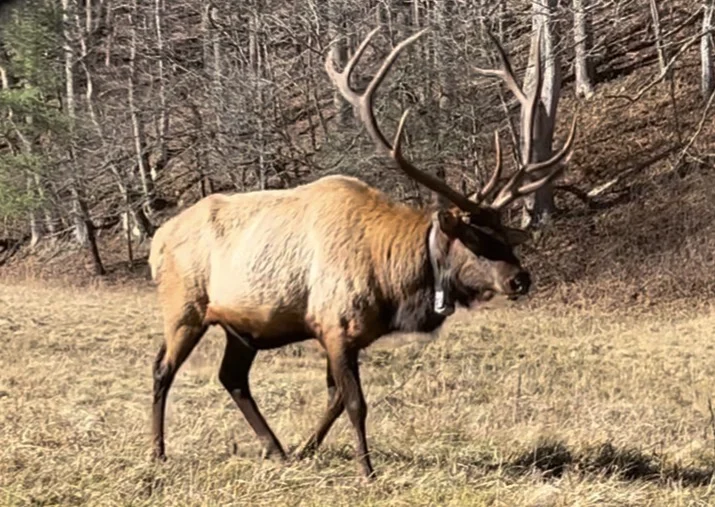
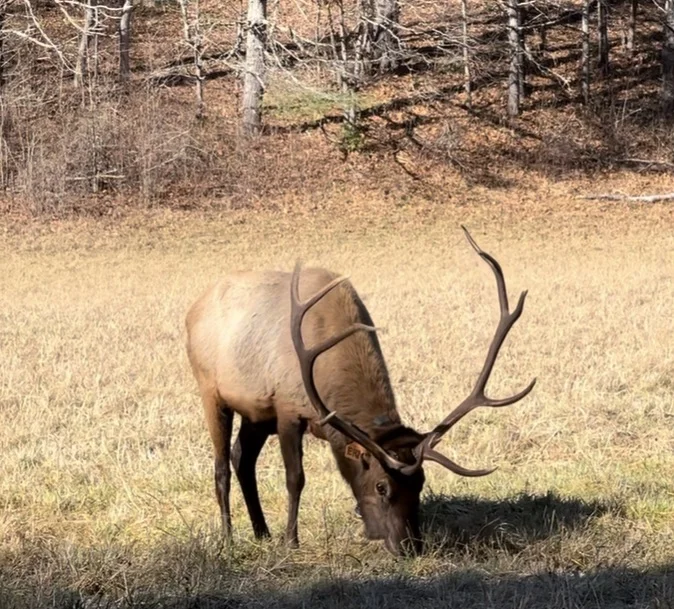
- Fall rut (early September to late October). This is the show: bulls bugling, sparring and gathering cows. Most of the clashing is ritual, and serious injuries are rare. Late October is the tail end, so go soon if you want to hear it this year.
- Winter. Fewer people and bare trees make the elk easier to spot along the valley floor. Check road conditions first.
- Late spring. Most calves are born by early June. Mothers often leave newborns hidden in the grass while they feed nearby. Never touch or move a calf; it isn't abandoned.
- Time of day: early morning and the last hour or two before dark, when the elk are most active. Cloudy days help too.
Where to watch
Cataloochee Valley (Haywood County) is the classic spot: a remote, open valley with historic farm buildings, wide fields and the herd's original home. It's reached from Maggie Valley by US-276 and Cove Creek Road, about 45 minutes, the last several miles on a narrow, unpaved gravel road with sharp curves and steep drop-offs. Drive slowly, keep to your side, and plan to drive out before dark. There's no cell service in the valley, so download maps before you go.
Oconaluftee (near Cherokee) is the easy option: the fields beside the Oconaluftee Visitor Center on US-441 often have elk grazing in plain view, with paved roads and restrooms.
Balsam Mountain is a third area the park lists for elk on the North Carolina side.
The rules — and why they matter
Every fall brings another video of someone walking up to a bull for a selfie. This fall it was a bull elk charging a man; the clip went viral, and the park had to publicly knock down rumors that the elk would be put down. Don't be that video.
- Stay at least 25 yards (75 feet) from elk — and 50 yards from bears — or farther if the animal changes what it's doing because of you. Willfully approaching closer is illegal in the park and can bring fines or arrest.
- If an elk stops feeding, turns toward you or changes direction, you're too close. Back away calmly.
- Stay out of the fields. During the rut, the park closes the fields at Cataloochee and Oconaluftee to visitors. Watch from the roadside.
- Bring binoculars or a long lens. That's how the good photos get made.
- No spotlights, no calls and no feeding. It's against park rules, and it changes how the animals behave.
- Pull completely off the road into a designated pull-off. Never stop in the travel lane. Elk cross roads often, and vehicle collisions are a serious cause of death for North Carolina elk.
- Leave the antlers. Taking antlers or any part of an elk is prohibited.
Before you go
- Park entry is free, but you'll need a parking tag to park for more than 15 minutes anywhere in the park. Buy one online at nps.gov before your trip, or at the Visit Haywood Welcome Center at Lake Junaluska.
- Check road status on the park's alerts page, especially in winter.
- Pack for no services: water, snacks, a jacket (it's colder in the valley at dusk than you'd think), a full tank and printed directions.
- Pets aren't allowed on park trails, and they're a bad idea near elk even on a leash.
Make a night of it
The best elk watching is at the edges of the day, which makes a strong case for staying nearby instead of driving home in the dark. The high country around Maggie Valley and Waynesville has some of the most memorable places to stay in the mountains: mountaintop ranch cabins with long views, luxury tents and treehouses on private land bordering the park, and historic inns in town. Many offer guided hikes or can point you to the best viewing times. Book ahead in October; the rut is the busiest season of the year.
For dinner, Maggie Valley and downtown Waynesville are close by, and at least one mountaintop ranch restaurant welcomes non-guests by reservation.
Sources
National Park Service, Great Smoky Mountains National Park, Elk and Great Smoky Mountains National Park Reminds Visitors to View Elk and Black Bears Safely this Fall (Sept. 14, 2026); WLOS, There are no plans to euthanize elk from social media video, national park official says (Sept. 29, 2026); Visit Haywood, Cataloochee Valley; Knoxville News Sentinel, Elk population grows in Cataloochee Valley. Business details from cataloocheeranch.com and elkandembers.com.